 The Way
Who Is the Greatest?
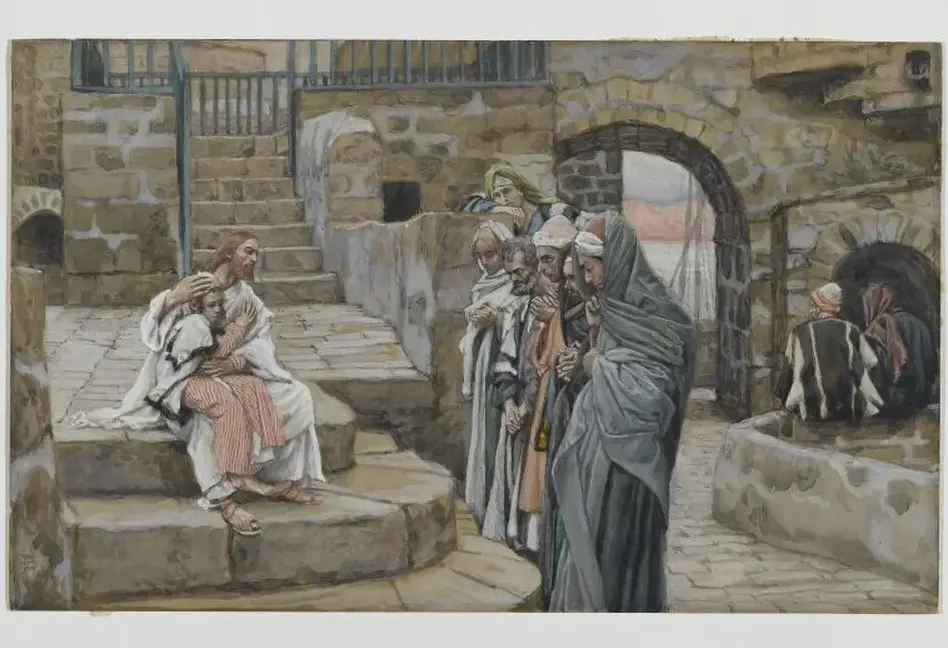
He sets a child in the middle of them
Story
On the way back to Capernaum, the disciples were bickering in low voices behind him. When they came into the house, Jesus looked around at them and asked, what were you arguing about on the road? No one could say a word. They only hung their heads. Who was the greatest, that was what they had argued about.
Jesus sat down, called the twelve, and took a little child and stood the child in the middle of them. Then he took the child in his arms. Whoever wants to be first must be last of all and servant of all. Whoever welcomes one little child like this in my name welcomes me.
If a man has a hundred sheep and one of them wanders off, will he not leave the ninety-nine on the hills and go to look for the one that is lost? Then Peter came and asked, Lord, if my brother wrongs me, how many times must I forgive him? Seven times? Jesus answered. Not seven times, but seventy-seven times. And Jesus told them the story of a servant who was forgiven a huge debt, yet would not forgive a fellow servant a small one.
Walk this scene on the map →His Words
Whoever wants to be first must stand behind everyone else and become the servant of all.
Unless you turn around and become like little children, you will never enter the kingdom of heaven.
Not just seven times. Forgive even seventy-seven times.
The sayings are fresh renderings of the original meaning in today's language. Text: Mt 18:1–35 · Mk 9:33–37 · Lk 9:46–48
Background
In the parable, the servant was forgiven ten thousand talents, while his fellow servant owed him a hundred denarii. One talent was about six thousand days' wages for a laborer, an almost unimaginable contrast.
Pause and Reflect
Do I strive to be recognized, or gladly serve in the lowly place?