 The Way
The Woman Who Wet His Feet with Tears
One who is forgiven much loves much
Story
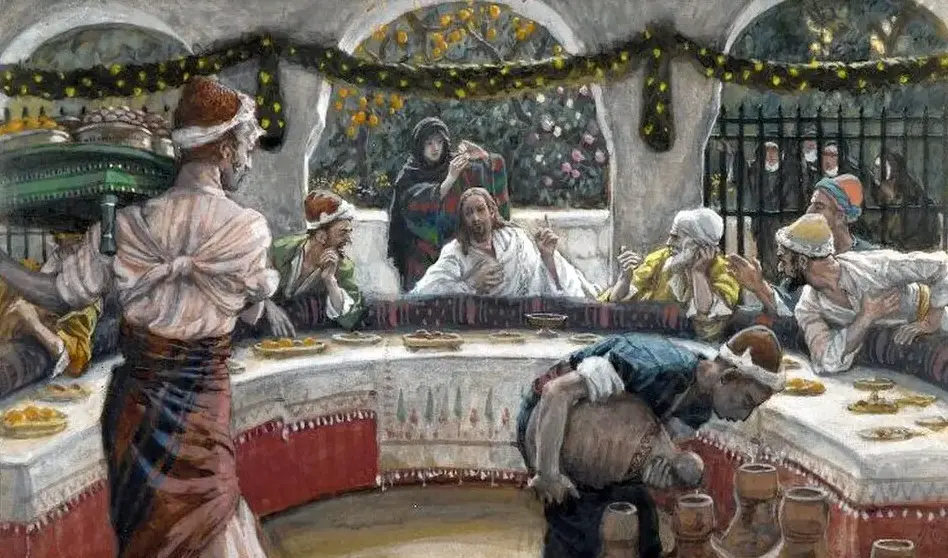
A Pharisee invited Jesus to eat with him. Jesus went into his house and took his place at the table. The guests reclined around the food, leaning on one side, their feet stretched out behind them. Then there was a stir at the doorway. A woman known in that town as a sinner came in, holding an alabaster jar of perfume close, and stood quietly behind Jesus at his feet.
Her shoulders shook, and she broke into tears. As her falling tears wet the feet of Jesus, she wiped them with her hair, kissed them again and again, and poured the perfume on them. While the fragrance spread through the room, Simon the host watched in silence. If this man were a prophet, he would know what kind of woman is touching him. As if he knew the man's thoughts, Jesus spoke. Simon, I have something to say to you.
Two people owed money. One owed five hundred denarii, the other fifty. If both debts were forgiven, which one will love more? Turning toward the woman, Jesus asked Simon, do you see this woman? You gave me no water for my feet, but she has wet my feet with her tears. Then he said to the woman, your sins are forgiven. Your faith has saved you. Go in peace.
Walk this scene on the map →His Words
Her many sins have been forgiven, and that is why she has loved so greatly. One who is forgiven little loves little.
Your faith has saved you. Go in peace.
Do you see this woman? When I came into your house, you gave me no water for my feet, but she has wet my feet with her tears and dried them with her hair.
The sayings are fresh renderings of the original meaning in today's language. Text: Lk 7:36–50
Background
Luke does not give this woman's name. Mary Magdalene is introduced separately in the very next scene, so there is no basis for treating them as the same person. That identification came from an interpretation in the Western church in the late sixth century.
Pause and Reflect
When I remember how I have been forgiven, does it change how I treat others?